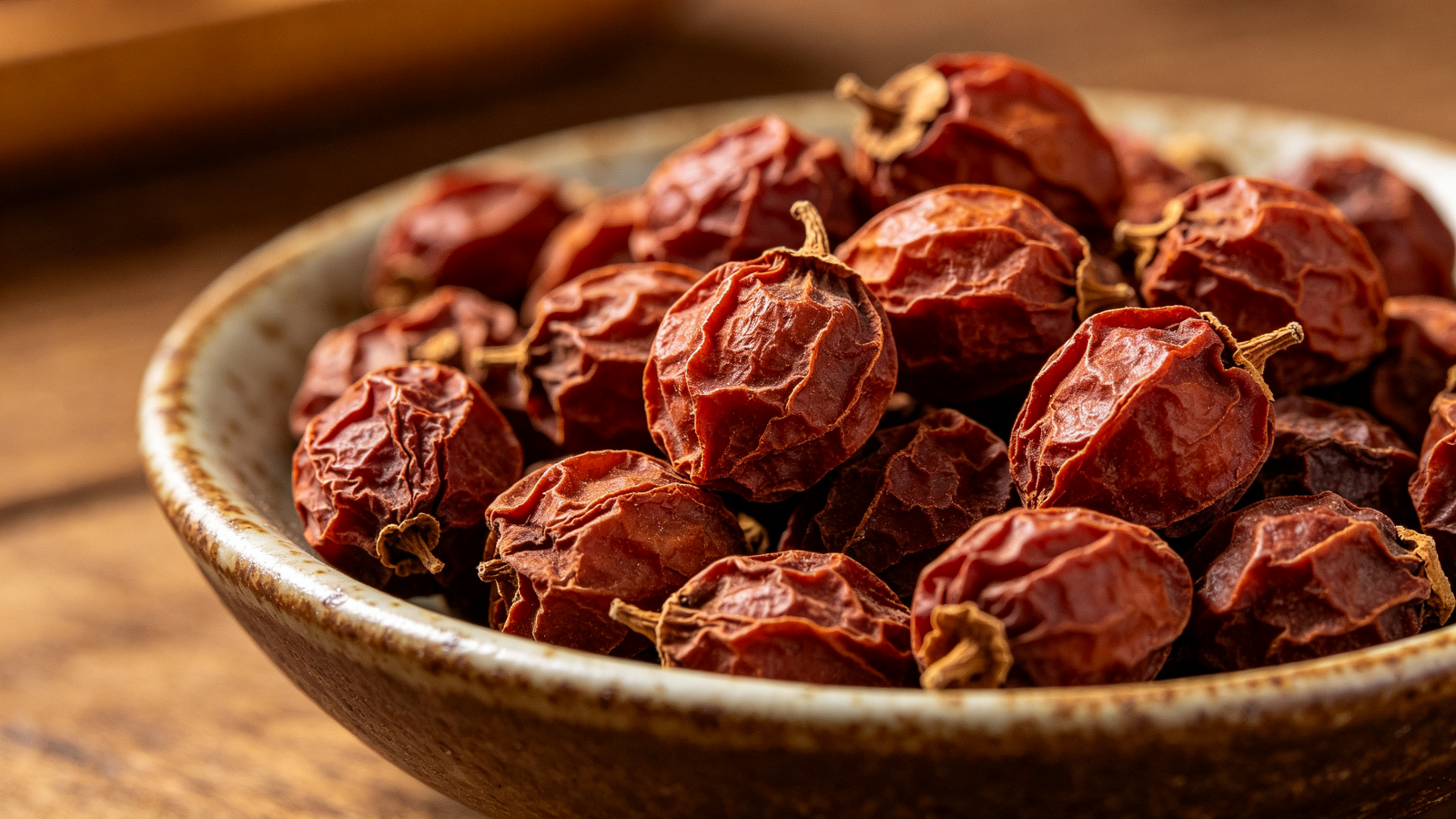
In many home kitchens, a handful of Cornus fruit — known in Chinese as Shan Zhu Yu — goes into every pot of meat soup. Its bright, slightly tart flavor is reminiscent of hawthorn berry, and it does something wonderful: it cuts through the richness and grease of meat, leaving the broth clean, round, and deeply satisfying.
But flavor is only part of the story. Cornus fruit holds a respected place in traditional wellness practices. It is one of the key ingredients in the classic Liu Wei Di Huang formula, and many families enjoy it simply as a daily food-herb — a gentle way to support the body's natural balance.
Understanding "The Leak": A Traditional Wellness View
In traditional wellness thinking, there is a concept called "the leak" — the idea that the body's vital essence may not be held as firmly as it should be. This can show up in everyday experiences like frequent nighttime bathroom trips, persistent mild sweating, or a general sense that the body's resources are slipping away rather than being stored.
Cornus fruit is traditionally valued for its astringent, holding quality — it is believed to help the body retain what it needs rather than letting it dissipate. When the body's essence is well held, everyday resilience tends to follow: recovery from seasonal bugs feels smoother, and energy levels feel more steady.
This is why many families make Cornus fruit soup a year-round habit. The seasonal wellness focus for many is simple and memorable: nourish the kidneys and calm the heart. Cornus fruit fits naturally into that rhythm.
Recipe: Cornus Fruit Bone & Marrow Soup
During the cooler autumn and winter months, this nourishing soup is especially wonderful for older family members and anyone who tends to feel run down. It brings together Cornus fruit with three complementary food-herbs and rich beef marrow.
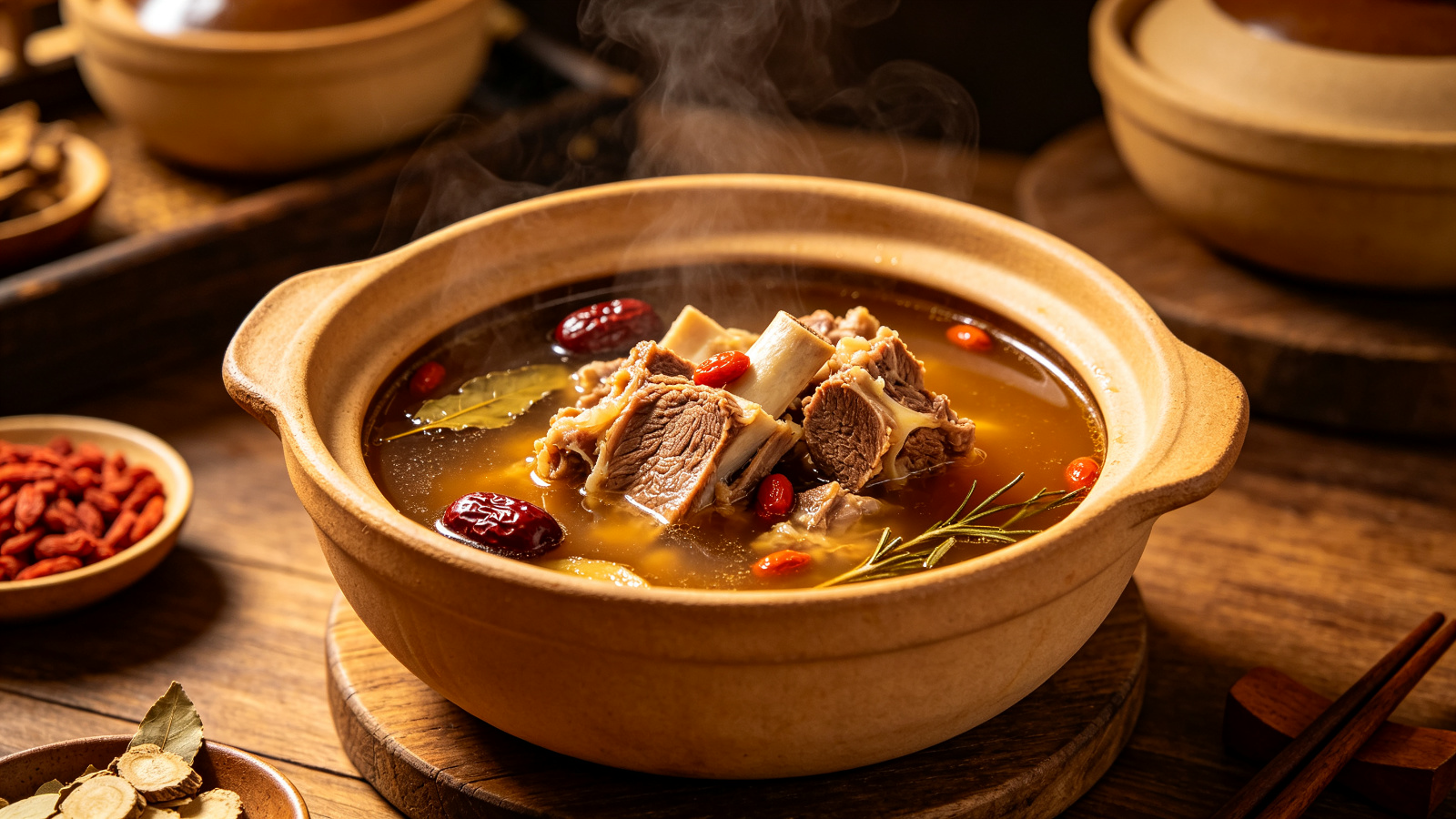
Cornus Fruit Bone & Marrow Soup
A warming, deeply nourishing soup traditionally enjoyed in autumn and winter.
Ingredients
- Cornus fruit (Shan Zhu Yu) — 30g
- Prepared Rehmannia root (nine-steamed) — 30g
- Chinese yam (Huai Shan Yao) — 30g
- Poria (Fu Ling) — 30g
- Beef marrow bones — 250–500g (or beef)
Method
- Soak the four dried ingredients in cold water for 30 minutes.
- Transfer to a pot, add water, and bring to a boil.
- Add the beef marrow bones.
- Simmer gently for 1 hour.
- Season lightly and serve warm.
Traditional Qualities
Benefits essence and blood, nourishes the liver and kidneys, and supports strong bones and tendons. Particularly suited to those concerned about bone density, middle-aged and older adults with weak legs and lower back, and anyone who experiences frequent limb aching.
When to Skip This Soup
- During acute colds, coughs, or excess phlegm — nourishing soups are best enjoyed when the body is free of acute discomfort.
- Children with food stagnation or excess phlegm should avoid it, though it can be beneficial in moderation for children with weak digestion, pale complexion, or bedwetting tendencies.
Three Everyday Ways to Enjoy Cornus Fruit
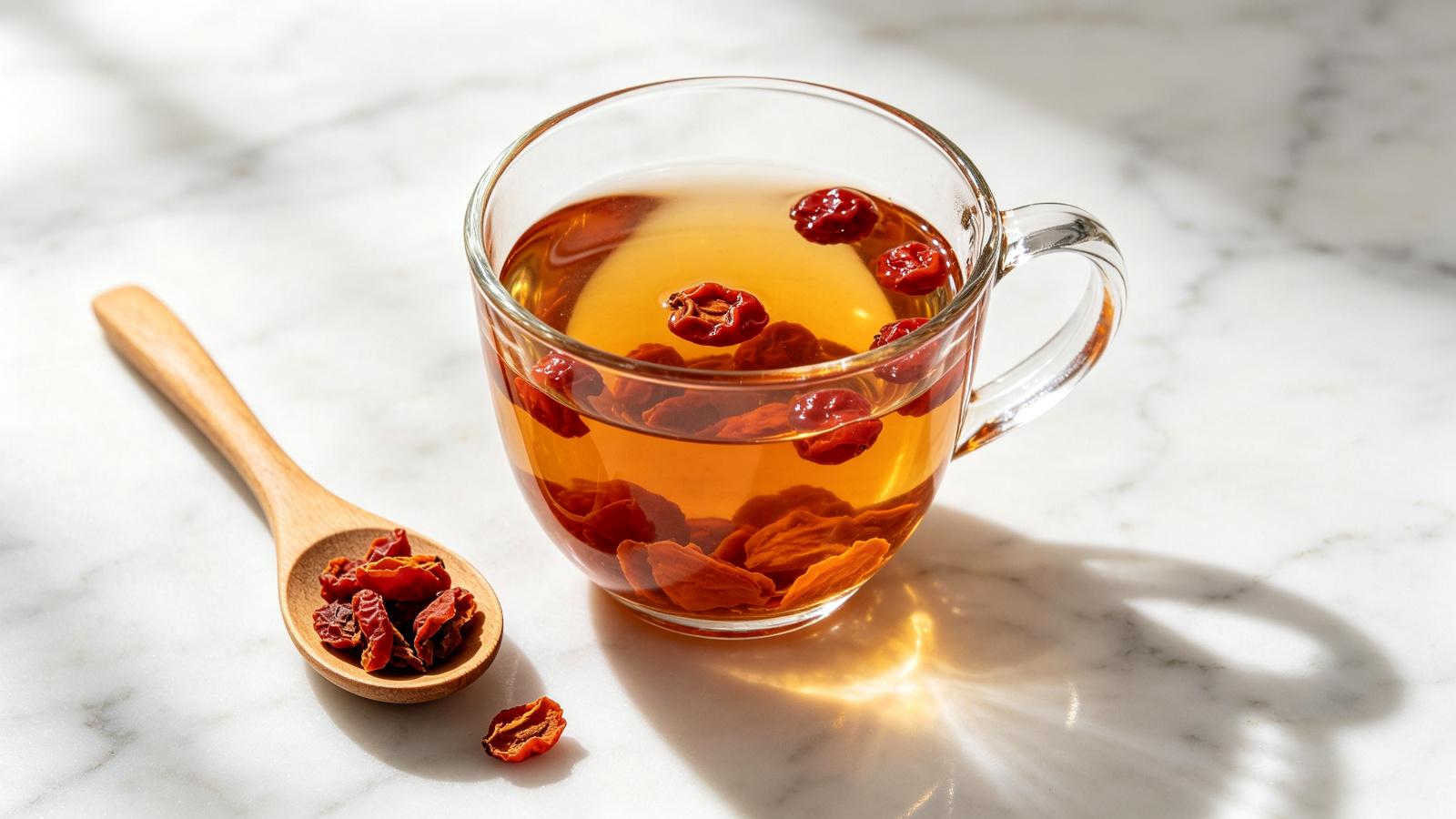
A simple Cornus fruit infusion — bright, tart, and easy to make at home.
In Soup
Add a handful to any meat broth. The tartness cuts grease and adds depth. A daily bowl supports gentle wellness.
As an Infusion
Steep 6–12g in hot water. For an extra boost, those with higher body weight or lipid concerns can pair it with plum tea.
Chewed Directly
Cornus fruit is essentially a dried berry — enjoy it like raisins. Pair with walnuts, red dates, or honey to balance the tartness.
A Daily Wellness Pairing
For those who want a more focused daily routine, try this simple combination: 6g Cornus fruit + 15g prepared Rehmannia root, steeped in boiling water, then stirred together with Chinese yam powder and poria powder. This brings together four of the most important ingredients from the classic Liu Wei Di Huang formula — in a form that is more suitable for everyday food-based wellness than taking the full formula, since the remaining two ingredients are purging herbs rather than food-grade.
Cornus fruit is remarkably versatile: in traditional wellness, it is used for both kidney yin and kidney yang patterns. Whatever your constitution, it is worth getting to know this little berry.
How to Spot Authentic Cornus Fruit
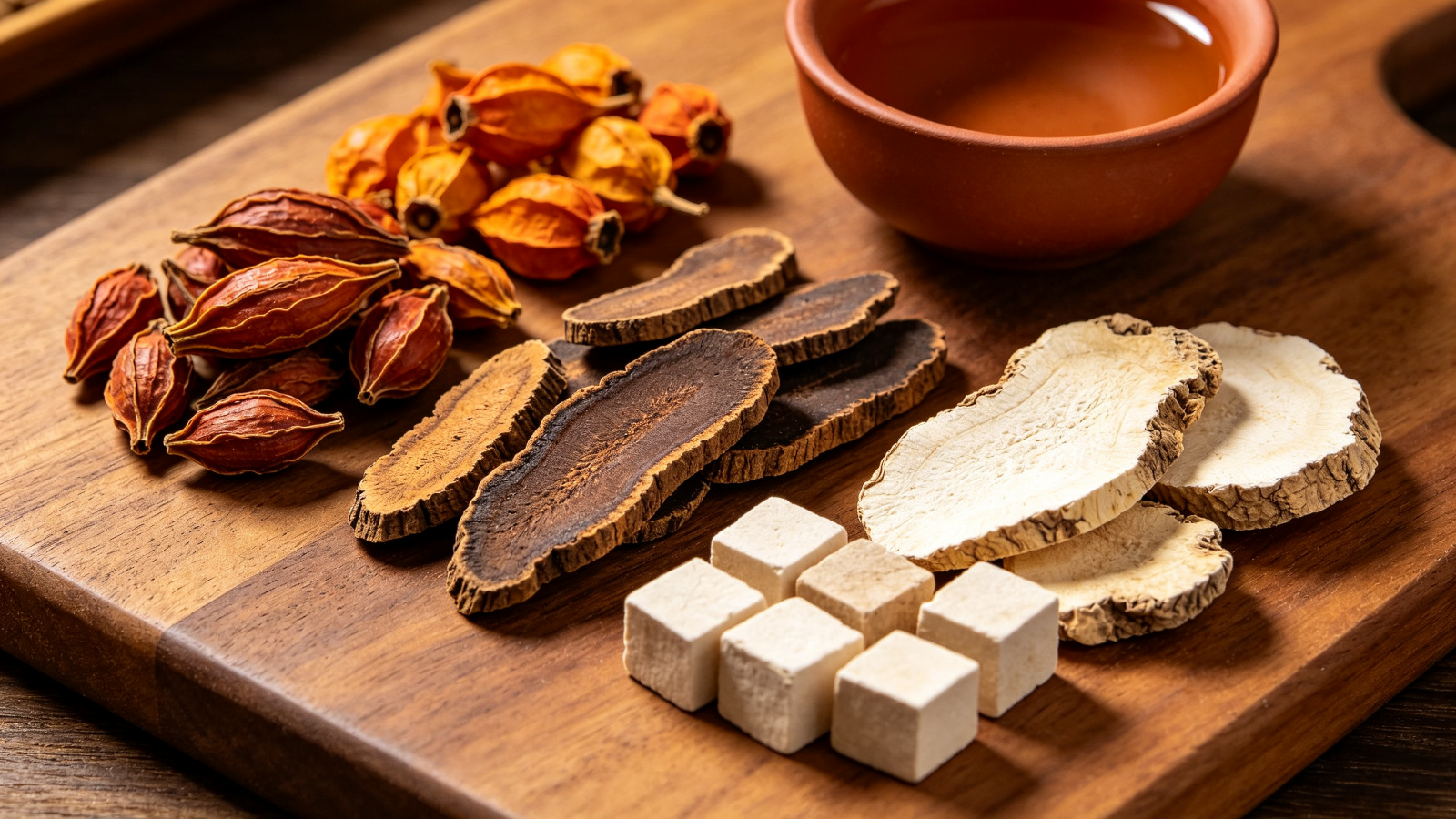
Quality matters — Cornus fruit is among the most commonly adulterated food-herbs on the market.
Here is an important reality: Cornus fruit is one of the most frequently adulterated food-herbs available. Counterfeits are widespread, so learning to identify the real thing is essential.
- Look closely. Genuine Cornus fruit has skins that are often cracked and wrinkled — it does not look "perfect." Fakes tend to have a prettier appearance, with smoother, oilier-looking skins.
- Taste a small piece. Real Cornus fruit is sour, astringent, and slightly bitter. Fakes may taste not sour at all, extremely sour, purely bitter, or even sweet — none of which match the genuine article.
A Simple Addition, Year-Round
Cornus fruit is one of those humble ingredients that earns its place in the kitchen through both flavor and tradition. A handful in the soup pot, a steeping cup in the afternoon, or a few berries chewed as a snack — however you use it, it brings a bright tartness and a gentle tradition of wellness to everyday life.
Start small, source carefully, and let this little berry become part of your family's seasonal rhythm.