The Mid-Autumn Festival and National Day holiday are just around the corner. Are you ready for your trip? The transition from summer to autumn brings seasonal changes, and traveling adds extra demands on your body — shifting weather, different environments, and fatigue can all take a toll on your circulation and overall comfort.
Here's how to reduce those risks and enjoy a smooth, healthy holiday.

1. Protect Yourself Against Wind
In traditional wellness wisdom, wind is considered the primary factor that disrupts the body's natural balance during seasonal transitions. Wind can affect the body suddenly and in varied ways — it may contribute to occasional discomforts like nasal congestion, throat irritation, coughing, or eye sensitivity.
For those with circulatory concerns, exposure to wind may also lead to occasional dizziness or temporary fluctuations in blood pressure.
But it's still warm in early October — do I really need to worry about wind?
Yes. Public spaces during your travels — shopping malls, train stations, trains, and buses — all have air conditioning and air vents that may blow directly toward your head and neck.
A Simple Habit: Wear a Silk Scarf
Here's a travel tip that makes a real difference: wear a lightweight silk scarf around your neck, no matter the weather. A scarf serves double duty — it protects your skin from sun exposure and shields your throat from wind.
The throat area is a natural gateway between the body's interior and the outside environment. The skin here is thin and sensitive to temperature changes. When the neck gets chilled, it's easier for discomfort to develop. Protecting this area acts as a first line of defense, supporting your body's natural resilience.
A small silk scarf can help you maintain warmth around the throat, reinforcing this natural barrier — think of it as your personal wellness shield while traveling.
2. Traditional Herbal Patch for Seasonal Support
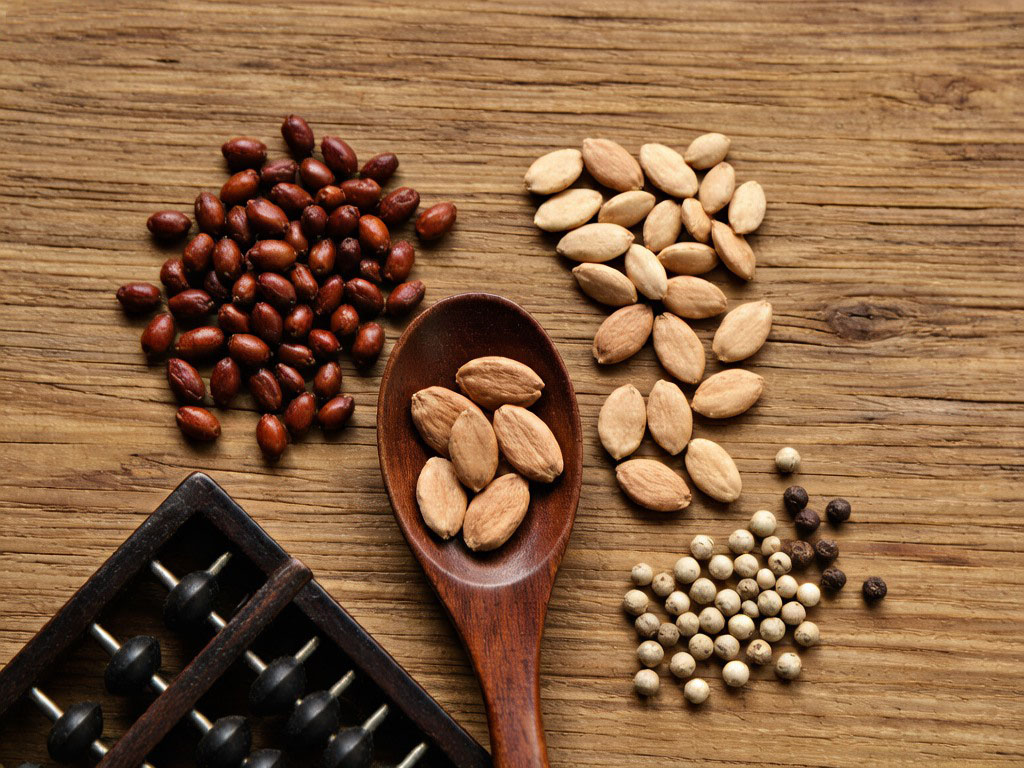
If you occasionally experience chest tightness, or if you tend to catch a cough a few times each year, consider bringing along a traditional herbal patch for your trip. This simple, time-honored practice can provide daily support.
What Is the Qingwen Palm Patch?
The "Qingwen Palm Patch" (also known as the Gardenia Palm Patch) is inspired by a classic formula recorded by the Imperial Medical Bureau of the Song Dynasty, traditionally used to support respiratory comfort. It also draws from a respected Qing Dynasty physician's experience in supporting children's wellness during seasonal fevers.
- Historical use: Traditionally applied as a single patch to support children during episodes of high body temperature.
- Folk tradition: Used in folk practice to help comfort young children during coughs and fever.
- Modern application: Some wellness centers use this formula as a complementary approach to support respiratory and circulatory comfort.
Ingredients
Gardenia (Zhi Zi), Peach Kernel (Tao Ren), Apricot Seed (Xing Ren), White Pepper (Bai Hu Jiao) — 7 pieces of each.
How to Make
Grind the four ingredients into a fine powder. Add a small amount of oil to form a paste. Wrap the paste in gauze and apply it to specific points on the palms, soles, wrists, or chest area. Leave on for 12–16 hours (those with hardy skin may extend to 24 hours for enhanced effect).
Traditional Benefits
- Supports the body's natural detoxification pathways
- Helps clear internal heat and soothe the mind
- Promotes restful sleep
- May ease chest tightness and support comfortable breathing
Note: Not suitable for pregnant women. Those with heavy menstrual flow should use with caution.
3. Where to Apply the Patch
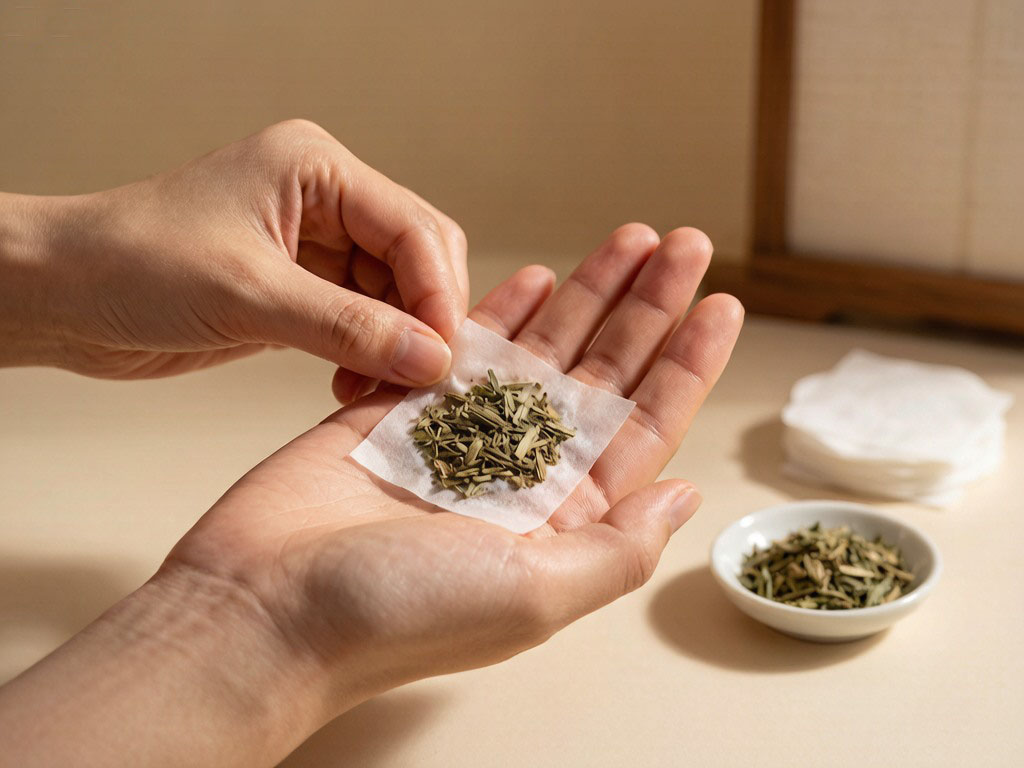
Key Acupoints
- Laogong (PC8): Center of the palm — supports heat clearance and calming
- Neiguan (PC6): Inner wrist — supports chest comfort and emotional balance
- Yongquan (KD1): Sole of the foot — supports grounding and sleep
- Danzhong (CV17): Center of the chest — supports respiratory and circulatory comfort
For Wrist and Chest Application
Recommended for those who:
- Occasionally experience chest tightness
- Have concerns about blood pressure
- Have circulatory or vascular wellness concerns
How to use: Apply to the left inner wrist (Neiguan point) and the center of the chest (Danzhong point).
For Palm and Sole Application
Recommended for those who:
- Experience occasional coughs, congestion, or respiratory discomfort
- Have occasional bloating or digestive concerns
- Experience occasional constipation (especially older adults)
- Feel restless or have occasional sleep difficulty
How to use:
- For children under one year: Apply to one side only — first time use left sole and right palm; second time switch to right sole and left palm.
- For all others: Apply to both palms and both soles simultaneously.
4. Choosing Quality Ingredients
Quality matters when preparing your herbal patch. Here's what to look for:
- Gardenia (Zhi Zi): Use mountain gardenia (Shan Zhi Zi), not water gardenia. Water gardenia is typically used for industrial dyeing and is cheaper — it's sometimes sold as a substitute. Always verify you're getting authentic mountain gardenia from a reputable source.
- Peach Kernel (Tao Ren): Should be properly processed (blanched and peeled).
- Apricot Seed (Xing Ren): Use bitter apricot seeds from a pharmacy, not sweet apricot kernels from a supermarket.
- Oil content: Choose peach kernels and apricot seeds with good oil content — this indicates higher quality. Note that these two ingredients release oil during grinding and may clump together.
What to Expect After Application
- The skin where the patch was applied may temporarily turn slightly yellow or greenish — this is normal and will fade naturally.
- Some individuals may experience mild digestive activity after application — this is a normal response as the body processes and rebalances, and it will resolve on its own.
Travel Smart, Stay Well
A few simple preparations can make all the difference for your holiday wellness:
- Pack a silk scarf to protect your neck from wind and temperature changes
- Prepare herbal patches in advance for daily wellness support during your trip
- Choose quality ingredients from reputable sources
- Listen to your body and enjoy your travels with confidence
Wishing you a joyful, comfortable, and healthy Mid-Autumn Festival and National Day holiday!
Disclaimer: This article shares traditional wellness practices for educational purposes. It is not intended as medical advice or a substitute for professional healthcare. If you have specific health concerns, please consult a qualified wellness practitioner or healthcare provider.